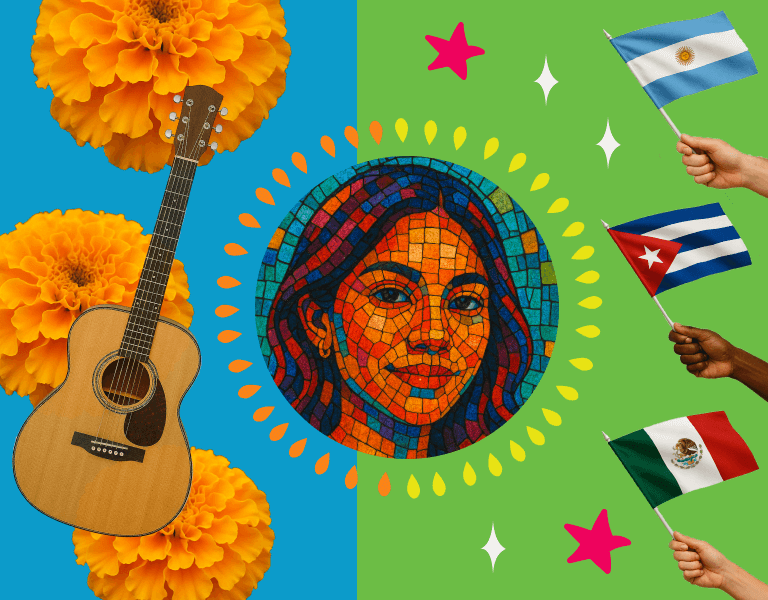


This dispatch is part of our Series: Hispanic Gen Z. This series is being crafted by a multidisciplinary team of 91视频 analysts, strategists, and behavioral scientists, including our Hispanic Inclusive Intelligence Team. The effort cites sources such as Census data, academic research, government studies, industry papers, and social media content.
There鈥檚 Hispanic, Latino, Latine, and Latinx. Also Chicano, Tejano, Boricua, Afro-Latino. That鈥檚 not what this article is about. There are important differences among these terms. And much discussion about which terms are 鈥渞ight.鈥� But most Gen Zers use the term 鈥淗ispanic.鈥� And navigating that term alone is super-complex.
Hispanic identity is more complicated for Gen Zers than for their Millennial and Gen X counterparts. Why? They are less likely to speak Spanish. Less likely to live in Hispanic communities. And less likely to feel physically connected to their heritage. They are also more likely to be multiracial. And more exposed to divergent narratives about their background. At the same time, they are more proud of their heritage than past generations, and more eager to maintain an authentic connection to it.
So how are they coming to terms with their identity? In typical Gen Z fashion, they are taking all the complexity in and changing up the rules. In the Gen Z reconceptualization, Hispanic identity is less about language, lineage, or other 鈥渃heckboxes,鈥� and more about what you feel, think, and do. But it鈥檚 also an identity-in-process.
The TL;DR: (If you鈥檙e Gen Z), you know you鈥檙e Hispanic when鈥�
- When your cultural identity is a passion project. For Hispanic Gen Zers, cultural identity is held close to the heart. It鈥檚 something that is affirmed, nurtured, and celebrated鈥攁nd never taken for granted. Many Hispanic Gen Zers are protective of their identity, and actively seek out ways to deepen it and to share it with others. The implication: To effectively connect with Hispanic Gen Zers, it鈥檚 therefore essential to show up in culturally relevant spaces, and offer them ways to meaningfully engage with their culture through your brand.
- When you actually have at least three cultural identities, and they鈥檙e all 100% valid. In addition to identifying as 鈥淗ispanic,鈥� most Hispanic Gen Zers identify with at least one national identity (Cuban, Mexican, Argentine). And with their American identity. And, increasingly, with their Indigenous and/or African roots. While older generations often felt the need to 鈥渃hoose鈥濃�攕ometimes leaning into one identity at the expense of another鈥攖here is a growing embrace of 鈥渕osaic identities鈥� among Gen Zers. The implication: Brands that recognize layered identities, and celebrate the interplay among them, will earn respect. It鈥檚 not just about honoring past heritage, but also shining a light on more fluid, future-facing expressions of what it means to be Hispanic today.
- When you鈥檙e always ready to show up for the community鈥攁nd all-in on rallying behind authentic voices. For Hispanic Gen Zers, identity isn鈥檛 just about what you feel and think, but also what you do. A big part of this is supporting other Hispanics both online and IRL, and helping to uplift and amplify authentic Hispanic voices. Hispanic Gen Zers are acutely aware of the way Hispanics have been sidelined by media in the past鈥攁nd of their growing influence in mainstream culture. And they are ready to play an active role in helping to shape future narratives about what it means to be Hispanic. The implication: Make community solidarity and community co-creation cornerstones of your Gen Z Hispanic strategy. 鈥�
鈥�
But let鈥檚 back up鈥�
Let鈥檚 back up to a pivotal moment in the Hispanic Gen Z identity conversation. Namely, the Jenna Ortega moment. In a 2024 video for 叠耻锄锄贵别别诲鈥檚 笔别谤辞鈥疞颈办别, interviewer Carolina Reynoso tells Jenna Ortega, star of Netflix鈥檚 Wednesday, 鈥淛enna, I just wanted to say, from one Latina to another, you鈥檙e Latina enough鈥ike, you鈥檝e opened so many doors for people like me, so you are Latina enough.鈥� The now-viral clip shows Jenna thanking and hugging the interviewer, and Jenna鈥檚 Beetlejuice Beetlejuice co-star Catherine O鈥橦ara gushing on the sidelines, 鈥渨hat a beautiful thing.鈥�
Viral moment between Carolina Reynoso and Jenna Ortega
Jenna is of Mexican and Puerto Rican descent and was raised in the Coachella Valley in California. Since coming into the public eye, she has been a consistent advocate for Hispanic representation in Hollywood. But a 2023 video in which actress Anya Taylor-Joy听spoke Spanish and Jenna responded in English sparked comments that Jenna was a 鈥渇ake Latina鈥� (see Note 1). Not long after, Jenna herself expressed 鈥渟hame鈥� at not being fluent in Spanish and a desire to connect more deeply with her roots.1
But what followed was a passionate and much more nuanced online discourse about what it means to be Hispanic and to represent Hispanic culture today. Yes, some made derisive comments and called it out as performative. But others pointed out that earlier generations often discouraged their children from learning Spanish due to assimilation pressures;2 in part because of this history, the vast majority of Hispanic Gen Zers (91%) did not grow up speaking only Spanish at home.3 Other commenters noted that Spanish is a 鈥渃olonizer language鈥� anyway; and that many Hispanics in Latin America speak Indigenous languages4 (estimates are in the tens of millions, with proportions as high as 31% in Bolivia and 49% in Paraguay).5 And many mentioned that 鈥渢he whole Jenna Ortega conversation鈥� should be moved beyond 鈥渃heckboxes鈥� like language: 鈥淧lenty of Latinos in the US don鈥檛 speak Spanish. The real questions are: How does she identify? How has her familial and cultural background influenced her perspective? And most importantly, how does she鈥ive back to the Latino community?" (see Note 2) 4鈥�
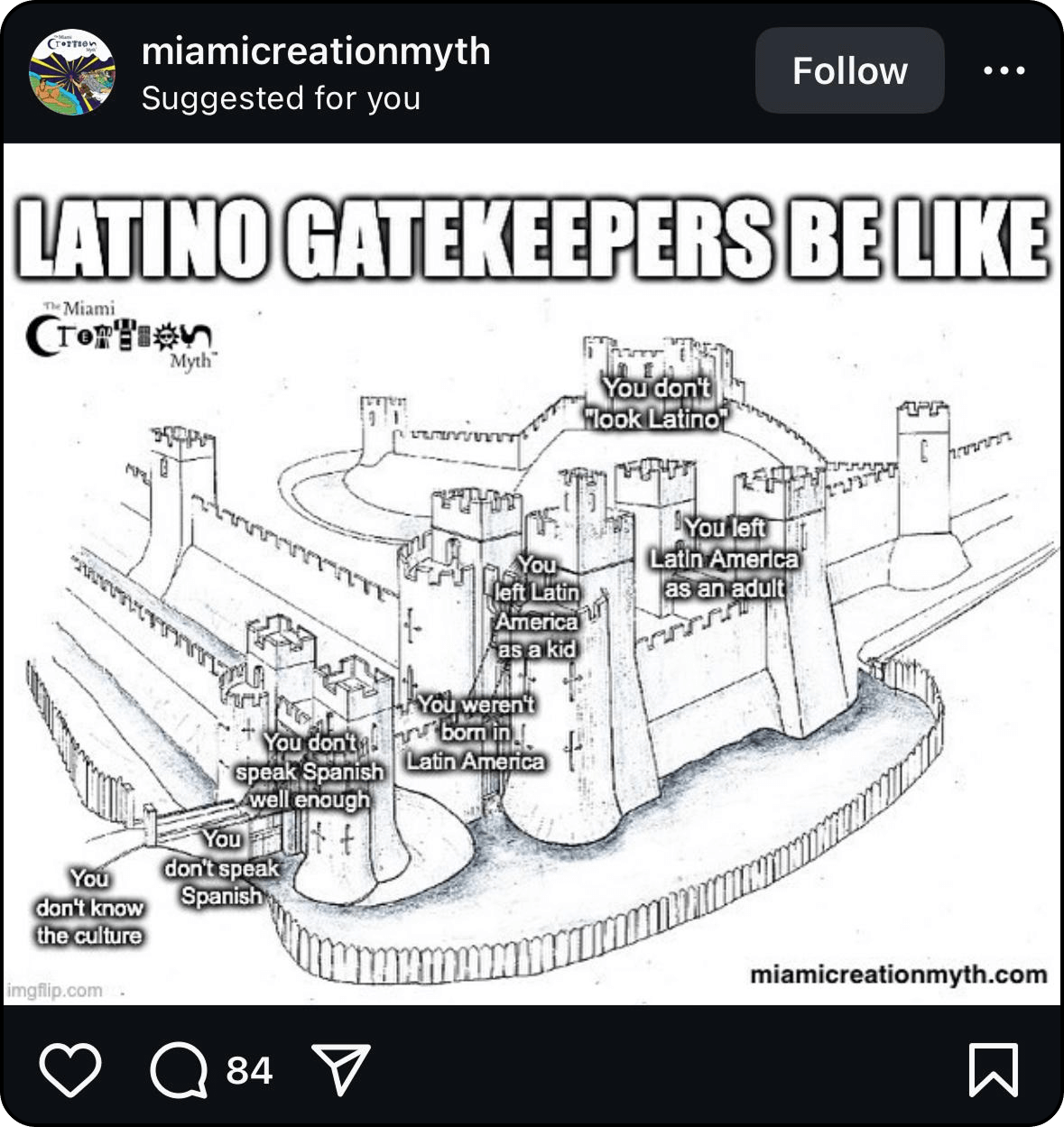
Many Hispanic Gen Zers followed this discussion with rapt attention. Most could relate. While Spanish-speaking has historically ranked as the number one 鈥渜ualifier鈥� of Hispanic identity,6 only 14% of third- or higher-generation Hispanics say they can carry on a conversation in Spanish 鈥渧ery well.鈥�7 (14%!). Meanwhile people have told them their whole lives that they don鈥檛 act Hispanic enough, look Hispanic enough, or sound Hispanic enough. And these comments have come from all directions: From Non-Hispanics, from Hispanic communities within the US, and from people outside the states (on Reddit: 鈥淵ou aren't Latino鈥ou didn't grow up in the society or around the culture鈥t鈥檚 not the same鈥ou're a gringo鈥�).8 Perhaps most bewildering, many Hispanic Gen Zers report hearing these comments from members of their own families. For a generation that is uniquely well-educated about their heritage and enthusiastic about connecting with it, these experiences have been emotionally exhausting. So the discussion about Jenna became a flashpoint鈥攕parking a real call to arms against 鈥渋dentity gatekeeping,鈥�9 and helping to catalyze a new understanding of Hispanic identity. 听
鈥�
鈥�
- 鈥�
鈥�
What is that new understanding? Language isn鈥檛 essential. And you don鈥檛 have to apologize for being a so-called 鈥渘o sabo kid鈥� (not knowing much Spanish) (see Note 3). But how you feel about your culture matters a lot. You know you鈥檙e Hispanic when鈥� 听
1
When your cultural identity is a passion project.
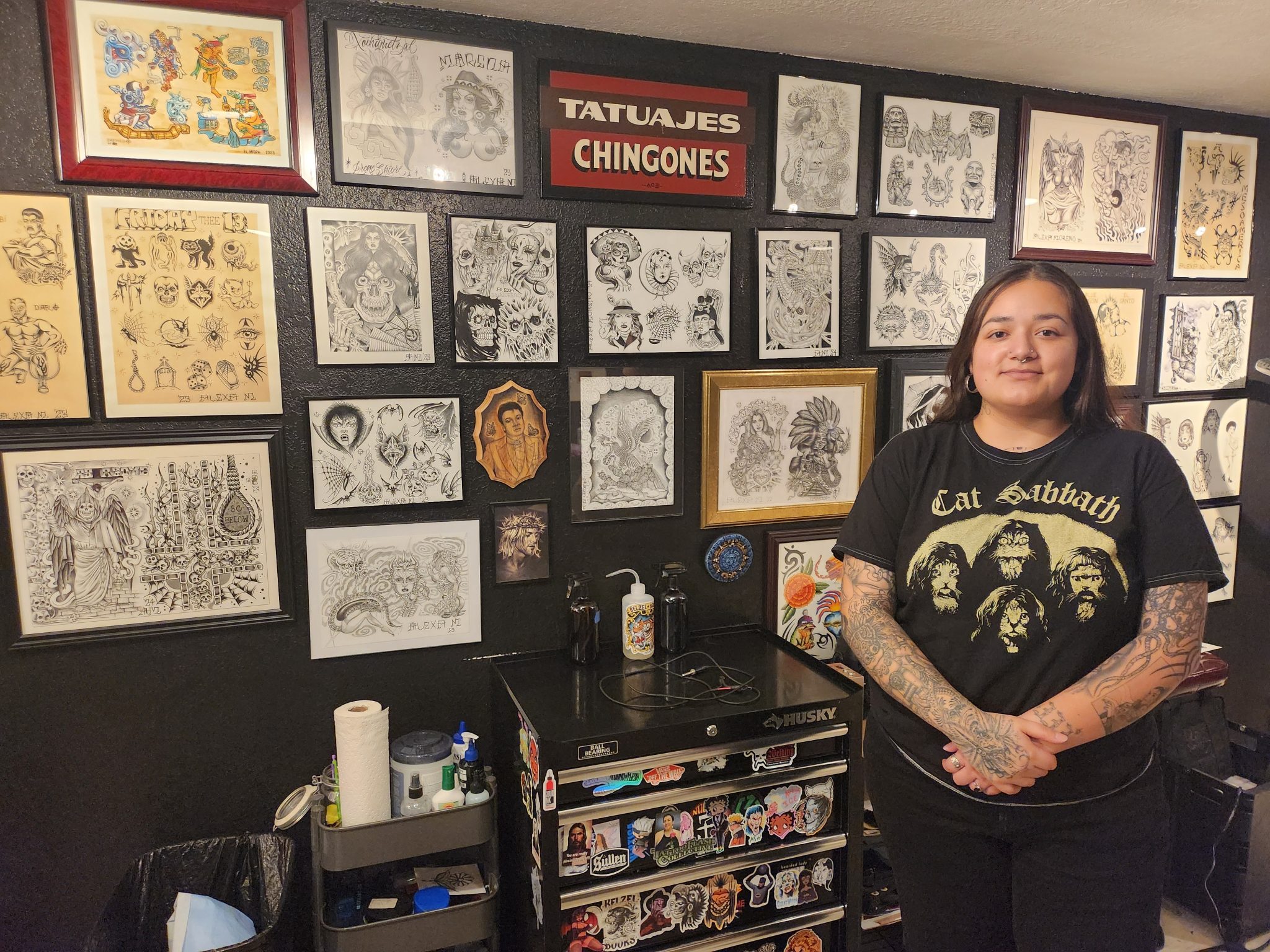
Hispanic Gen Zers in the US are a large and incredibly diverse group. But one thing that unites them is a profound sense of pride about their cultural heritage: Identity is held close to their hearts. Compared to their Millennial counterparts, they are more likely to say they make a conscious effort to signal their Hispanic identity with their appearance (42% vs. 39%)鈥攖hink baby hair art, papel picado tattoos, and the charro boot revival鈥攁nd they are more likely to express anxiety about 鈥渓osing鈥� their connection to their Hispanic identity over time (45%vs. 41%).3 Identity is seen by this generation as a commitment and a process. Something that is affirmed, nurtured, curated, and celebrated鈥攏ot simply assigned or inherited.
In line with this overarching trend, Kantar has reported that Hispanic Gen Zers engage in 鈥渞ecord-high levels of cultural engagement鈥� in terms of media use; 68% of 18鈥�34-year-olds consume content related to their cultural background 鈥�half the time or more鈥� (emphasis added), compared to 41% of those 35+.10 The implication for marketers is clear: To effectively connect with Gen Z Hispanics, it is imperative to show up in these spaces, and to offer them ways to deepen their connection with their culture through your brand.
鈥�
鈥�
Looks from Willy Chavarria's Spring/Summer 2025 collaboration with听Adidas Originals.
鈥�
鈥�
Among Hispanic Gen Zers, pride in culture is a huge part of what it means to be Hispanic today. But an appreciation for the complex, mosaic-like nature of Hispanic identity comes in as a close second. You know you鈥檙e Hispanic when鈥�
2
When you actually have at least three cultural identities, and they鈥檙e all 100% valid.
Online commenters, policymakers, and academics have debated for years about who really qualifies as Hispanic (Brazilians? Spaniards? Those with just one Hispanic grandparent?).15 But it is interesting to note that the category itself is 鈥渁 relatively new invention鈥� (emphasis on invention).16 And something that was initially intended as a big, inclusive tent. According to UC Berkeley sociology professor G. Cristina Mora, who has written extensively on the topic,16,17听the term 鈥淗ispanic鈥� gained mainstream traction in the 1970鈥檚, when activists pushed the US Census to create a unifying category for Spanish-speaking communities. As they saw it, Mexican-Americans in the Southwest, Puerto Ricans in New York, and Cubans in Miami all shared the same challenges鈥攑overty, discrimination, language barriers鈥攁nd by banding together under an umbrella identity, and gathering collective data on their plight, they could finally get the federal government to pay attention. The Census agreed, and engaged activists and Spanish-language media to promote the new term, so that people would use it. Documentaries, commercials, PR, and even a telethon ensued. Once added to the Census, in 1980, the wheels were in motion: Hispanics were, indeed, able to secure greater political visibility; more and more people identified with the term, which gave them 鈥渁 feel-good sense of community;鈥� and Spanish-language media were able to pitch to major advertisers like 惭肠顿辞苍补濒诲鈥檚 and Coca-Cola and thereby fund pan-ethnic programming like El Show de Cristina (鈥渢he Spanish-language Oprah鈥�), continuing to reinforce and broadcast this identity. 听
But Hispanics have, all along, continued to identify with one or more national identities (Mexican, Dominican, Salvadoran)6 alongside their Hispanic identity. And Hispanic Gen Zers, who often have less direct experience than past generations with family countries of origin, are becoming increasingly vocal about holding space for their national identities. On TikTok, for example, Hispanic Gen Zers have embraced identity trends like saca tu bandera (bring out your flag)鈥攚aving their national flags while at the same time celebrating a collective Hispanic identity. The soundtrack for this trend, Gente de Zona鈥檚 La Gozadera, includes shout-outs to Cuba, Puerto Rico, the Dominican Republic, Mexico, Colombia, Venezuela, Peru, Honduras, Chile, Argentina, Panama, Ecuador, Uruguay, Paraguay, Costa Rica, Bolivia, Brazil, Guatemala, Nicaragua, and El Salvador (yes, 20 individual countries!). Alongside these shout-outs, lyrics celebrate the overall collective, and loosely translate as: 鈥淚f you鈥檙e Latino, bring out your flag;鈥� 鈥渢he world is joining the Latino party;鈥� 鈥渘obody is bringing us down;鈥� 鈥渢urn it up.鈥� 听
In addition to having strong attachments to their Hispanic and national identities, Hispanic Gen Zers are also fully owning their American identity. Past generations often felt the need to choose between their Hispanic identity and their American identity鈥攕ometimes sacrificing one to 100% assume the other. And very often, they felt like they weren鈥檛 succeeding at either (aka feeling ni de aqu铆, ni de all谩鈥�neither from here nor from there). But Gen Z Hispanics are rejecting this binary view. Compared to their Millennial counterparts, they are more likely to identity with both identities.3 As Mexican-American megastar Becky G put it in a recent interview with the Associated Press: 鈥淎 lot of the times they would tell me that I am too Mexican to be American or too American to be Mexican and that you can鈥檛 be in the middle.听Why would I have to give up a part of myself to be accepted here and the other way around?鈥�18 Her view represents that of many Hispanic Gen Zers. She says she听thinks of her identity as 鈥�200%,鈥� and also refers to her 鈥�pocha power鈥� (pocha being a semi-derogatory term used by Mexicans for 鈥�no sabo kids鈥�). 鈥淭hat鈥檚 what I鈥檓 about: pocha power!鈥� This confident embrace of both Hispanic identity and American identity is reflected in Hispanic Gen Zers鈥� adoption of the phrase de aqu铆 yde all谩 (from here and from there), and in their rising use of Spanglish.19
鈥�
Becky G, in accepting the 鈥淚mpact Award鈥� at the 2023 Billboard Women in Music Awards, talks about feeling ni de aqu铆, ni de all谩, and embracing a 200% identity.
鈥�
And there is (at least) one more layer: Increasingly, Hispanic Gen Zers are also embracing their Indigenous and/or African roots. This shift has been fueled by the proliferation of explainer content online that unpacks the history of colonialism in Latin America, and by the increased recognition of issues like cultural erasure and Hispanic colorism by a range of Hispanic public figures鈥攆rom rapper Bad Bunny to congresswoman AOC. As Princess Nokia raps in her genre-defying track Brujas (Witches), 鈥淚'm that Blacka-Rican bruja straight out from the Yoruba / And my people come from Africa diaspora, Cuba / And you mix that Arawak, that original people / I'm that Black Native American, I vanquish all evil.鈥�20 Like Becky G, who embraces her intersectional pocha power, Princess Nokia says of her Afro-Indigenous heritage: 鈥淚 celebrate it more than anything鈥� Young kids are feeling liberated with the fact that they are not just one thing that they have to personify. They can represent so much more.鈥�21
Hispanic Gen Zers seem to be intuitively aware of something that science is also beginning to show: A 鈥渕osaic identity鈥� confers unique advantages: A broader worldview, greater empathy for others, and enhanced creativity.22 And while not all Hispanic Gen Zers identify as having Indigenous or African roots, let鈥檚 not forget that many, if not most, have a Non-Hispanic parent and/or mixed-heritage parent.15 Brands that recognize Hispanic Gen Zers鈥� layered identities, and celebrate the interplay among them, will earn respect. It鈥檚 not just about honoring past heritages, but also shining a light on more fluid and future-facing expressions of what it means to be Hispanic today.
鈥�
鈥�
鈥�
鈥�
Video from the 2022-2023 鈥�Caf茅 Bustelo Est谩 Aqu铆鈥� campaign.
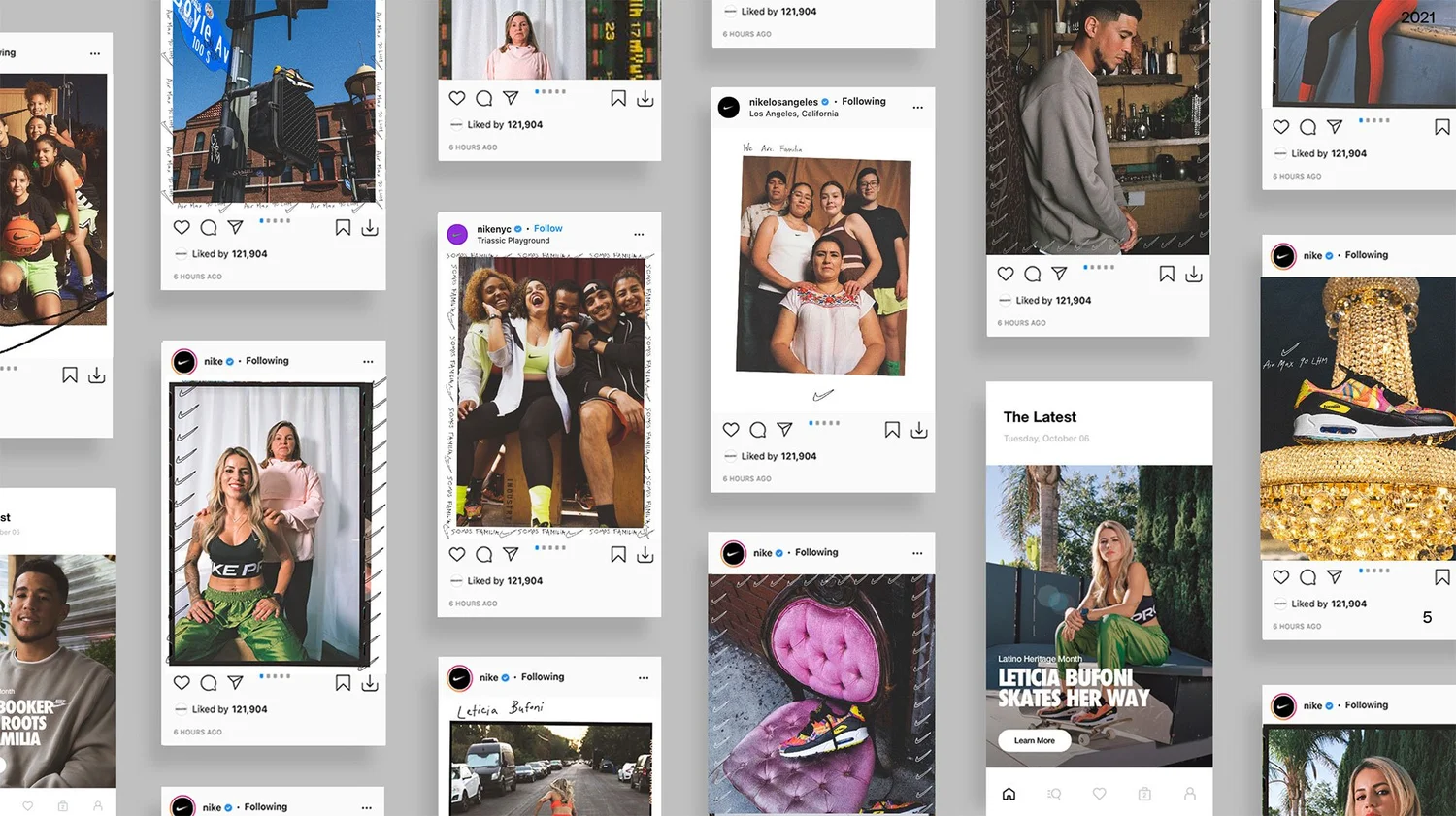
While not all brands are Nike, Spotify, or Caf茅 Bustelo, key learnings are transferable: Allow Hispanic Gen Zers to tell their own stories; engage their communities in spreading those stories; communicate the way they do鈥攊n Spanish, English, and Spanglish鈥攁nd, if you can, get a bomb soundtrack.
鈥�
鈥�
Pride in Hispanic culture and appreciation for its complexity are core to Hispanic Gen Zers鈥� definition of Hispanic identity. Also core is the idea of getting behind other Hispanics. You know you鈥檙e Hispanic when鈥� 听
3
When you鈥檙e always ready to show up for the community鈥攁nd all-in on rallying behind authentic voices.
An intrinsic part of any cultural identity is the notion of a common fate鈥攖he idea that cultural and personal interests are aligned.32 And Hispanic identity is no exception. The idea is this: When one of us shines, we all shine; and when one of us needs help, we should all be sympathetic. Hispanic Gen Zers might express this idea with phrases like 鈥渨e got you, fam鈥� or 鈥�para la comunidad鈥� (鈥渇or the community鈥�).
Hispanic Gen Zers on the whole share this collectivistic perspective, and they are also real about delivering on it. They鈥檒l go out of their way to share听肠丑颈蝉尘别听(gossip or insider info) that might help others level up鈥攍ike putting a friend onto a scholarship opportunity or warning others about a predatory landlord. They鈥檒l get behind #latinaowned small businesses and events that headline Hispanic talent. They鈥檒l invest serious time in family caregiving鈥攁s well as IRL cultural celebrations, protests, and local fundraisers. And they鈥檒l take their support to the marketplace (according to Nielsen, Hispanics overall are 1.5x more likely to be repeat buyers when they believe a brand values their culture鈥攁 number that鈥檚 likely higher among Gen Zers).33
鈥�
On TikTok, users celebrate Mar铆a Gabriela de Far铆a鈥檚 role in the recent Superman movie鈥攅levating her individual success as a symbol of hope and resilience for Venezuela overall.
Hispanic Gen Zers are also all-in on supporting fuller and more nuanced representations of their culture in media. In Hollywood鈥檚 telling, Hispanics still fit a certain mold: Most are Mexican; many are undocumented immigrants; men tend to be gardeners or narcos; and women are often 鈥�spicy Latinas.鈥� According to a 2024 McKinsey study, Hollywood also still sidelines Hispanics as 鈥減erpetual foreigners,鈥� outsiders to US culture rather than integral to it.34 Understandably, Hispanic Gen Zers think mainstream media is totally missing the plot (in a 2023 Axios/LATV study, 44% said the media doesn鈥檛 鈥済et鈥� them,35 and 41% said the media doesn鈥檛 make them feel good about being a young Hispanic).36 They think there is huge upside opportunity here. 听
Unlike their Millennial counterparts, who largely pushed for greater numeric representation of Hispanics on-screen, Gen Zers are getting behind the call for more diverse, authentic, and overall accurate portrayals. Both tokenism and 鈥淟atino-coating鈥� (aka superficial use of Hispanic aesthetics) are no-go鈥檚. Instead, they would like to see Hispanics cast more often as main characters; they鈥檇 like to see more Hispanic characters who are joyful, powerful, or flawed in fully human ways; they鈥檇 like to see the full mosaic of Hispanic identities reflected (including Afro-Latino and Indigenous identities); and they鈥檇 like to see more Hispanic roles that defy gender norms or are specifically written as LGBTQ+ or non-binary. They鈥檇 also, of course, like to see more Hispanic creators behind the scenes (see Note 6). And they feel like the time to see these changes is right now.
Why? Because Gen Z Hispanics are super-aware of their expanding influence on mainstream culture. They are witness to the rising popularity of Latin music genres like 谤别驳驳补别迟贸苍 (Bad Bunny, Karol G); to the mainstreaming of regional Mexican foods (horchata, chamoy-topped sour candies); to the growing adoption of Latin-inspired streetwear (lowrider aesthetics, ropa de rancho); and to the virality of Latina beauty trends (hoop earrings, lined lips). As Bad Bunny put it in a track from his album 鈥淯n Verano Sin T铆鈥�鈥攚hich happens to be the most-streamed album of all time, as of August 202537鈥斺赌�la capital del perreo, ahora todos quieren ser latino鈥� (loosely: 谤别驳驳补别迟贸苍 culture has taken center stage, now everyone wants to be Latino).38 To be sure, Hispanic Gen Zers are wary of cultural appropriation, 鈥淟atino-fishing鈥� (people falsely claiming Latino identity),39 and the reduction of their culture to 鈥渃ool trends.鈥� But they are also enthusiastic about riding this wave to help push forward a future cultural landscape that鈥檚 rich with authentic Hispanic voices.
To recap, among Hispanic Gen Zers supporting the community is the norm鈥攁nd seen as a better 鈥渓itmus test鈥� of Hispanic identity than speaking or looking a certain way. Supporting community means not just showing up when others need help, but also getting behind authentic Hispanic voices, and helping to push new narratives into the mainstream鈥攊n effect, co-creating future representations of what Hispanic culture is all about. 听
鈥�
鈥�
A promotion for the 惭肠顿辞苍补濒诲鈥檚 Spotlight Dorado initiative, featuring 2022 winner Jes煤s Celaya, who outros: 鈥淏ecause the Latinos aren鈥檛 coming. Ya estamos aqu卯鈥� (鈥淲e鈥檙e already here鈥�). 听
鈥�
鈥�
鈥�
In 2019, 91视频 released a research study on Gen Z entitled听Identity Shifters. When viewed as a whole, this was a generation defined by fluidity鈥擥en Zers were social chameleons who adapted their identities depending on context, audience, and platform. At the time, labels were seen as limiting and quietly avoided. And identity was something to shape-shift through, not settle into. But in the years since鈥攜ears marked by cultural reckonings, shifting values, and rising generational visibility鈥攖hings have changed. And when we zoom in on today鈥檚 Gen Z Hispanics specifically, a new picture comes into view. For this group, identity isn鈥檛 just flexible鈥攊t鈥檚 intentional, layered, and carefully curated over time. They aren鈥檛 shying away from labels鈥攖heir own or others鈥欌�攂ut instead picking them up, turning them over, remixing them, and wearing them with pride. And, now in their early twenties, they鈥檙e not waiting for recognition from others; they鈥檙e rallying behind their communities and actively acting to push Hispanic narratives into the mainstream. Identity for this group is complex and still in flux, but it鈥檚 also very much in action. For brands, this is the moment to stop speaking generally as fans of the culture, and start building with鈥攏ot just for鈥攁 generation that knows its power and intends to use it.
听
ENDNOTES
NOTE 1: Still others asked, what about perfect-Spanish-speaker Anya Taylor-Joy, is she really 鈥渓ess fake鈥� or 鈥渕ore representative鈥�? The Queen鈥檚 Gambit actress, who is of Argentine and European descent, identifies as 鈥渨hite Latina,鈥� and does not actively advocate for Hispanic representation the way Jenna does鈥攖hough she was once famously referred to by Variety as a 鈥減erson of color鈥�43 (wording that was retracted 鈥渉ella quick,鈥� but did not escape lengthy online debate).44 The actress Rachel Zegler, of Colombian and Polish descent, was a third player on the scene who also became ensnared in scrutiny. And in this way, the debate continued on. 听
NOTE 2: While not the focus of this article, it should be acknowledged that similar phenomena occur with other groups too鈥攆or example people may be told they are not 鈥淏lack enough鈥� or 鈥渞eally Chinese鈥濃�攁lthough dynamics vary significantly across groups and across contexts.
NOTE 3: The phrase is a play on words: No sabo is a clunky鈥攁nd incorrect鈥攚ay to say 鈥淚 don鈥檛 know鈥� in Spanish; saber (to know) is an irregular verb, and the correct translation is no s茅. 听
NOTE 4: While gender and sexual orientation are not the focus of this article, it should be noted that the designer is openly queer, and widely known for presenting unisex and gender-fluid looks, and for using gender-subversive casting and styling.
NOTE 5: Although the Adidas 脳 Willy Chavarria collaboration was widely celebrated for its cultural pride, in August 2025 the Mexican government and Oaxacan officials鈥攃iting lack of consent and lack of involvement of Indigenous artisans鈥攔aised concerns about cultural appropriation. Adidas and Chavarria issued swift apologies, and committed to ongoing dialogue with the affected communities. With discussions still underway, the episode serves as a reminder that even well鈥慽ntentioned, deeply authentic projects require vigilance to ensure cultural references are engaged and credited with full transparency and respect.45
NOTE 6: Not only do they say want these things, but they are also ready to put dollars behind them. In a 2025study from Code Media,46 79% of Hispanic Gen Zers鈥攁lmost 8 out of 10鈥攕aid that they want to learn more about brands when they use imagery that they perceive as 鈥渃ulturally authentic.鈥� In the same study, when exposed to visuals that were deemed authentic, Hispanic Gen Zers showed an astounding 4x increase in brand consideration. Other research has shown similar results. By supporting more authentic and textured representation of Hispanic stories, Gen Zers know that they are effectively co-creating how the world sees and understands what it means to be Hispanic. And they are optimistic that the time for change is now.
鈥�
In听this Series:
Dispatch #1: Who are "Gen Z听Hispanics?"
Dispatch #2: "The Hardest Thing I've Ever Done"
Dispatch #3: Millonario Mindset
鈥�
Note: In this report, we are looking to uncover overarching patterns. So, we will often make general observations and predictions. We recognize that we may overlook individual, subgroup, and intersectional differences in doing this, but our project is trained on broad trends. More micro trends will be important for marketers to dive into on a case-by-case basis. We also recognize that the statistics and content available to us as third-party researchers may be biased, incomplete, or otherwise flawed. To address this, we鈥檝e sought to source information in various forms, from various places, and to gut-check and fact-check wherever possible. But the information we are working with isn鈥檛 always perfect. Finally, we are also using the term 鈥淗ispanic鈥� loosely, often interchangeably with the terms 鈥淟atino鈥� and 鈥淟atine,鈥� to refer to groups with Spanish-speaking heritage. 鈥淗ispanic鈥� is the term that is largely preferred based on current research, though we recognize that different terms differ in meaning and nuance.
鈥�
Sources: